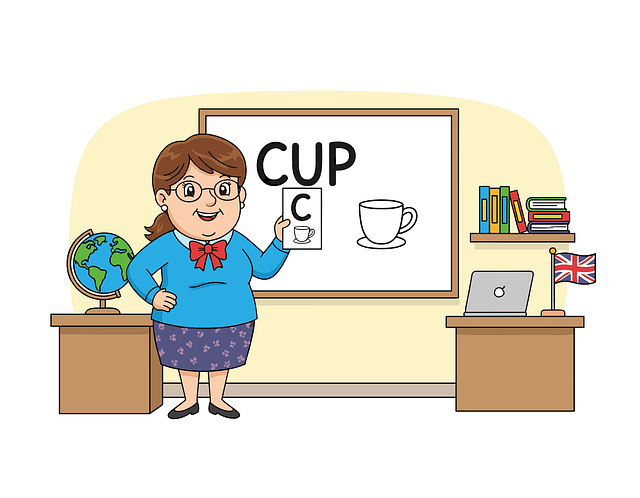
Improving English Language skills requires natural immersion through activities like watching movies, listening to podcasts, reading, and using digital tools. Consistent daily exposure is key, enhanced by active participation in language communities. Focused practice improves pronunciation, intonation, and body language cues. Feedback from native speakers and tutors builds confidence, while interactive learning and setting goals accelerate progress. Keeping a vocabulary journal complements these practices, significantly enhancing speaking abilities over time.
Mastering the English Language is a significant skill in today’s globalized world, opening doors to international communication, education, and opportunities. However, for many, improving speaking skills presents a challenging hurdle. Effective communication requires confidence, clarity, and precision, which can be difficult to attain, especially for non-native speakers. This article offers an authoritative guide to help you navigate this labyrinthine process, providing practical strategies and insights to enhance your English Language speaking abilities, ensuring clear and confident expression in various contexts.
- Immerse Yourself in English Language Environment
- Practice Regularly with Focused Techniques
- Build Confidence Through Feedback and Interaction
Immerse Yourself in English Language Environment

Improving your English speaking skills requires a deep dive into an immersive environment where the language comes alive. One of the most effective strategies is to surround yourself with the English Language naturally. This involves engaging in activities and contexts that force you out of your comfort zone, encouraging intuitive language acquisition. Think of it as training your brain to think and respond in English without translation or conscious effort.
This immersion can take many forms. Watching movies and TV shows in English, listening to podcasts and music, and reading books, newspapers, and articles are all powerful tools. Pay close attention while analyzing text—notice sentence structures, idiomatic expressions, and cultural nuances. Engage actively by interpreting texts multiple times, either aloud or in writing, to reinforce comprehension and solidify your grasp of the language. Digital learning tools can also be invaluable; many apps offer interactive exercises and simulations that make learning more engaging.
For instance, a study by the University of California found that students who watched foreign films with subtitles exhibited improved listening skills and a deeper understanding of cultural context compared to those who didn’t. Similarly, platforms like Duolingo and Babbel incorporate real-world scenarios in their lessons, encouraging learners to interpret and respond naturally. To maximize these benefits, ensure your immersion is consistent. Set aside dedicated time each day for English exposure—whether it’s watching a movie, listening to a podcast, or engaging with native speakers.
Beyond passive consumption, actively participating in the English language community is paramount. Join local conversation clubs, online forums, or language exchange groups where you can practice speaking and receive feedback from native speakers. This not only improves your fluency but also broadens your vocabulary and exposes you to diverse accents and dialects. Remember that consistent effort and a willingness to step out of your comfort zone are key to achieving mastery in any skill, including English speaking fluency. Find us at [word meaning] for more tailored resources and support on your language learning journey.
Practice Regularly with Focused Techniques

To significantly enhance your English Language speaking skills, regular and focused practice is paramount. This involves a multifaceted approach that includes improving pronunciation, intonation, rhythm, and pauses—all essential elements of effective communication. Mastering these aspects requires deliberate attention to both verbal and non-verbal cues. Body language plays a crucial role in conveying confidence and engagement; maintain eye contact, use hand gestures naturally, and adopt an open posture to connect with your audience on a deeper level.
Voice modulation is another critical component. Varying pitch, speed, and volume not only adds emphasis but also makes your speech more engaging. Incorporate pauses strategically to give your words weight and allow your listeners to absorb complex ideas. Practicing with recorded sessions enables you to analyze your performance objectively—a valuable tool for refining pronunciation, understanding intonation patterns, and identifying areas where rhythm and pauses can be improved.
Delving deeper, literary criticism provides insights into the nuances of language. Exploring synonyms and antonyms expands your vocabulary, allowing for more precise expression. Ensure accuracy by paying meticulous attention to spelling, as even minor errors can distract listeners from your message. Consider using resources like dictionaries with audio pronunciations and online speech analysis tools to refine these skills. Additionally, exploring dialect variations and slang terms within the English Language can enhance your ability to connect with diverse audiences, though always remember to do so appropriately based on context.
Regular practice involves setting dedicated time each day for speaking exercises. Whether it’s reading aloud from books or engaging in mock conversations, consistency is key. As you progress, challenge yourself with different topics and scenarios to build versatility. Remember, becoming proficient in any language is a journey; embrace the process, seek feedback, and give us a call at your local language center for personalized guidance tailored to your needs.
Build Confidence Through Feedback and Interaction

Building confidence is a crucial aspect of improving your English Language speaking skills. Feedback plays a pivotal role in this process, as it allows you to gauge your progress and identify areas for enhancement. Engaging in constructive dialogue with native speakers or experienced language tutors can provide valuable insights into your accent, pronunciation, and fluency. It’s important to view feedback as a tool for growth rather than criticism. By accepting and implementing suggestions, you can refine your English Language proficiency over time.
Interaction is another critical component of building confidence. Participating in conversations, debates, or even simple greetings fosters a sense of comfort and naturalness in using the language. Engaging with others encourages logical reasoning and creative writing skills, enabling you to articulate thoughts and ideas more effectively. Moreover, interaction provides an opportunity to learn from common misspellings and identifying grammatical errors in context, which is essential for correcting sentences and expanding your vocabulary. For instance, data from language learning apps shows that users who actively participate in interactive sessions tend to achieve higher proficiency levels faster than those who primarily focus on solo study.
To enhance your confidence, set realistic goals and track your progress. Celebrate small victories along the way, as this positive reinforcement can motivate you to continue improving. Consider keeping a journal where you record new vocabulary words and their usage in sentences. This practice not only aids in remembering but also demonstrates your growing mastery of the English Language. For those interested in exploring different forms of expression, visiting us at types of poetry can offer a unique perspective on language’s versatility. By combining feedback, interaction, logical reasoning, and creative writing practices, you can significantly enhance your English Language speaking skills with time.
By immersing yourself in an English Language environment, practicing regularly with focused techniques, and building confidence through feedback and interaction, you can significantly improve your English speaking skills. These strategies create a powerful synergy, fostering both fluency and accuracy. Moving forward, prioritize consistent exposure to the English Language, whether through media, conversations, or study groups. Regular practice with targeted exercises will reinforce your learning, while constructive feedback from peers and mentors will help you refine your approach. Embracing these steps naturally into your routine will not only enhance your communication abilities but also open doors to new opportunities in both personal and professional realms.